Uncover the difference of Inflatable Canopy
In recent years, Inflatable canopy has attracted a lot of attention and has been used in various activities and occasions. So why do inflatable tents get so much favor?
What is an air Inflatable canopy?
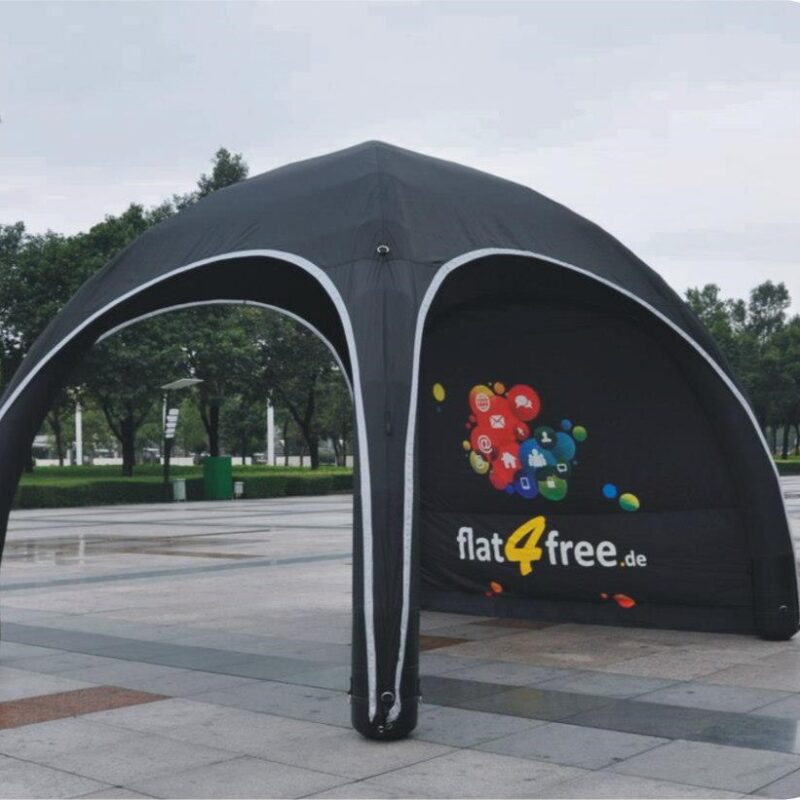
An air inflatable tent, also known simply as an inflatable tent or air tent, is a type of tent that utilizes inflatable structures, such as air-filled beams or tubes, for support instead of traditional poles. The main frame of the tent is constructed using inflatable elements that are filled with air to provide stability and structure. Here are some key features and characteristics of air inflatable tents:
-
Inflatable Beams: The tent's frame is typically made up of inflatable beams or tubes, which are filled with air to create a rigid and stable structure. These replace the traditional poles found in conventional tents.
-
Easy Setup: One of the primary advantages of air inflatable tents is their quick and straightforward setup. Rather than assembling and inserting poles, users only need to inflate the designated air beams to erect the tent. This can significantly reduce the time and effort required for setting up the tent.
-
Portability: Air inflatable tents are often designed to be lightweight and portable. They are suitable for camping, backpacking, and other outdoor activities where ease of transport is important.
-
Stability: When properly inflated, these tents can provide stability and durability comparable to traditional tents. The inflatable beams are designed to withstand various weather conditions.
-
Pump System: To set up an air inflatable tent, a pump is typically used to inflate the designated air beams. Some tents come with built-in pumps, while others may require a separate pump.
-
Variety of Styles: Air inflatable tents come in various styles, including traditional dome shapes, tunnel tents, and more. They cater to different preferences and intended uses.
-
Versatility: These tents can be used for camping, festivals, beach outings, and other outdoor activities where a temporary shelter is needed.
-
Construction Materials: Air inflatable tents are constructed using durable and weather-resistant materials for both the inflatable components and the tent fabric itself.
Overall, air inflatable tents are popular for their convenience, quick setup, and portability, making them a suitable option for individuals who prioritize ease of use and efficiency when it comes to setting up temporary shelters in outdoor settings.

How to set up an inflatable canopy?
Setting up an inflatable canopy is usually a simple process and may vary slightly depending on the specific design and brand of the canopy. Here is ASAP Canopy’s guide to setting up an inflatable canopy:
materials needed:
inflatable canopy
Air pump (manual or electric, depending on design)
Nails or stakes (included with canopy)
Guys (included with canopy)
[products ids="65684,56452,49824,43599" columns="4" class="ad-justify-center"]
Step-by-Step Guide:
-
Select a Suitable Location:
- Choose a flat and clear area for setup, free from sharp objects or debris that could damage the canopy.
-
Unpack the Canopy:
- Carefully unpack the inflatable canopy and lay out all components. Take note of any stakes, guy lines, or additional accessories that may be included.
-
Spread Out the Canopy:
- Lay the canopy flat on the ground, ensuring that the fabric is spread out evenly.
-
Locate the Inflation Points:
- Identify the inflation points on the canopy. These are usually valves or openings where the air pump will be connected.
-
Connect the Air Pump:
- If your canopy comes with an integrated pump, connect it to the designated inflation points. If not, use a separate air pump compatible with the canopy.
-
- Begin inflating the canopy by pumping air into the designated chambers or tubes. Pay attention to the recommended pressure levels specified by the manufacturer to avoid overinflation.
-
Secure the Canopy:
- As the canopy inflates, ensure that it is taking shape correctly. Once fully inflated, secure the canopy to the ground using pegs or stakes provided. If guy lines are included, use them to add stability, especially in windy conditions.
-
Adjust and Fine-Tune:
- Check the overall structure of the canopy and make any necessary adjustments. Ensure that the fabric is taut and that all elements are securely in place.
-
Optional Accessories:
- If your canopy has additional features like sidewalls, windows, or dividers, attach them as needed.
-
Enjoy Your Shelter:
- Once the inflatable canopy is set up and secure, you're ready to enjoy your sheltered space. Use it for events, picnics, parties, or any other outdoor activities.
What are the advantages of using an inflatable canopy?
Using an inflatable canopy offers several advantages, making it a popular choice for various outdoor activities and events. Here are some key advantages of using an inflatable canopy:
-
Quick and Easy Setup:
- Inflatable canopies are known for their rapid setup. Unlike traditional tents that require assembling poles, inflatable canopies can be inflated within minutes, saving time and effort.
-
Portability:
- Inflatable canopies are designed to be lightweight and compact when deflated. This makes them highly portable and easy to transport, making them ideal for events, camping trips, beach outings, and more.
-
Versatility:
- These canopies are versatile and can be used for various purposes, including outdoor events, parties, picnics, vendor booths, trade shows, camping, and more.
-
Space Efficiency:
- Inflatable canopies often have a spacious design, providing ample room for gatherings or shelter. The inflatable structure allows for a more open and adaptable space compared to some traditional tents.
-
Stability:
- When properly set up and anchored, inflatable canopies can offer stability in different weather conditions. Many designs are equipped with sturdy inflatable beams and anchoring options to withstand wind and other elements.
-
Eye-Catching Design:
- The inflatable nature of the canopy adds a unique and eye-catching element to outdoor events. It can serve as a focal point and attract attention, making it a popular choice for promotional events and marketing.
-
Weather Resistance:
- Inflatable canopies are often made from durable and weather-resistant materials, providing protection from sun, rain, and wind. Some designs come with optional sidewalls or curtains for added weather protection.
-
Customization:
- Many inflatable canopies allow for customization, such as adding logos, graphics, or branding elements. This is advantageous for businesses, sponsors, or individuals looking to personalize their shelter.
-
Durability:
- The materials used in inflatable canopies are often durable and designed to withstand repeated use. Proper care and maintenance can extend the lifespan of the canopy.
-
Innovative Designs:
- Inflatable canopy designs continue to evolve, offering innovative features such as integrated LED lighting, inflatable furniture, and other modern amenities that enhance the overall user experience.
-
Ease of Storage:
- When not in use, inflatable canopies can be deflated and packed into a compact storage bag. This makes them easy to store in limited spaces.
In summary, inflatable canopies provide a convenient and efficient solution for temporary outdoor shelter, offering a range of benefits in terms of setup, portability, versatility, and visual appeal.
[products ids="65684,56452,52615,49824" columns="4" class="ad-justify-center"]
The inflatable Canopy suitable for windy conditions?
Inflatable canopies can be suitable for windy conditions, but their performance depends on various factors, including the specific design, quality of materials, proper setup, and how well they are anchored. Here are some considerations for using an inflatable canopy in windy conditions:
-
Design and Structure:
- High-quality inflatable canopies are designed with stability in mind. Look for models with well-engineered inflatable beams or tubes that can withstand wind pressure. Some designs incorporate aerodynamic features to reduce wind resistance.
-
Anchoring Systems:
- Proper anchoring is crucial for stability in windy conditions. Many inflatable canopies come with stakes or pegs that can be driven into the ground to secure the structure. Additionally, some models have built-in anchor points for additional stability.
-
Wind Ratings:
- Check the manufacturer's specifications and wind ratings for the inflatable canopy. This information will give you an idea of the wind speeds the canopy is designed to withstand. It's essential to follow the manufacturer's guidelines for safe usage.
-
Wind Direction:
- Consider the direction of the wind when setting up the canopy. Position the entrance or side openings of the canopy against the prevailing wind direction to minimize wind resistance.
-
Monitoring Weather Conditions:
- Be vigilant about weather conditions, especially wind forecasts. If strong winds are expected, it's advisable to take precautions, such as partially deflating the canopy or temporarily securing it until the wind subsides.
-
User Caution:
- Users should exercise caution and common sense when using inflatable canopies in windy conditions. If the wind becomes excessively strong, it may be necessary to take down or deflate the canopy to prevent damage.
-
Supplementary Guy Lines:
- Some inflatable canopies come with additional guy lines or ropes. Using these lines to secure the canopy to nearby structures or fixed points can provide extra stability.
-
Inflation Pressure:
- Ensure that the inflatable beams are properly inflated according to the manufacturer's recommendations. Overinflating or underinflating can affect the stability of the canopy.
-
Windbreaks and Sheltered Locations:
- Whenever possible, set up the inflatable canopy in a location that provides natural windbreaks, such as buildings or terrain features. This can help reduce the impact of strong winds.
-
Regular Maintenance:
- Regularly inspect and maintain your inflatable canopy. Check for any wear and tear, and address any issues promptly to ensure the canopy remains in optimal condition.
While inflatable canopies can handle moderate wind conditions, it's important to use them responsibly and in accordance with the manufacturer's guidelines. If you anticipate frequent use in windy environments, consider investing in a canopy specifically designed for such conditions and always prioritize safety.


Comments
Post a Comment